Catalog / Equine IgG ELISA kits
Equine IgG ELISA kits
Pick the right ELISA kit for Equine IgG. Our kits differ in how you develop the signal – this page explains what those differences mean.
IgG ELISA kits are also available for hamster, human, mouse, and rabbit.
What differs between these kits
Which detection system
Available with Streptavidin-ALP or Streptavidin-HRP. You add the streptavidin conjugate as a second incubation after the biotinylated antibody, which amplifies the signal. Alkaline phosphatase (ALP) and horseradish peroxidase (HRP) perform equivalently, so that choice usually comes down to the substrate and reader you already work with.
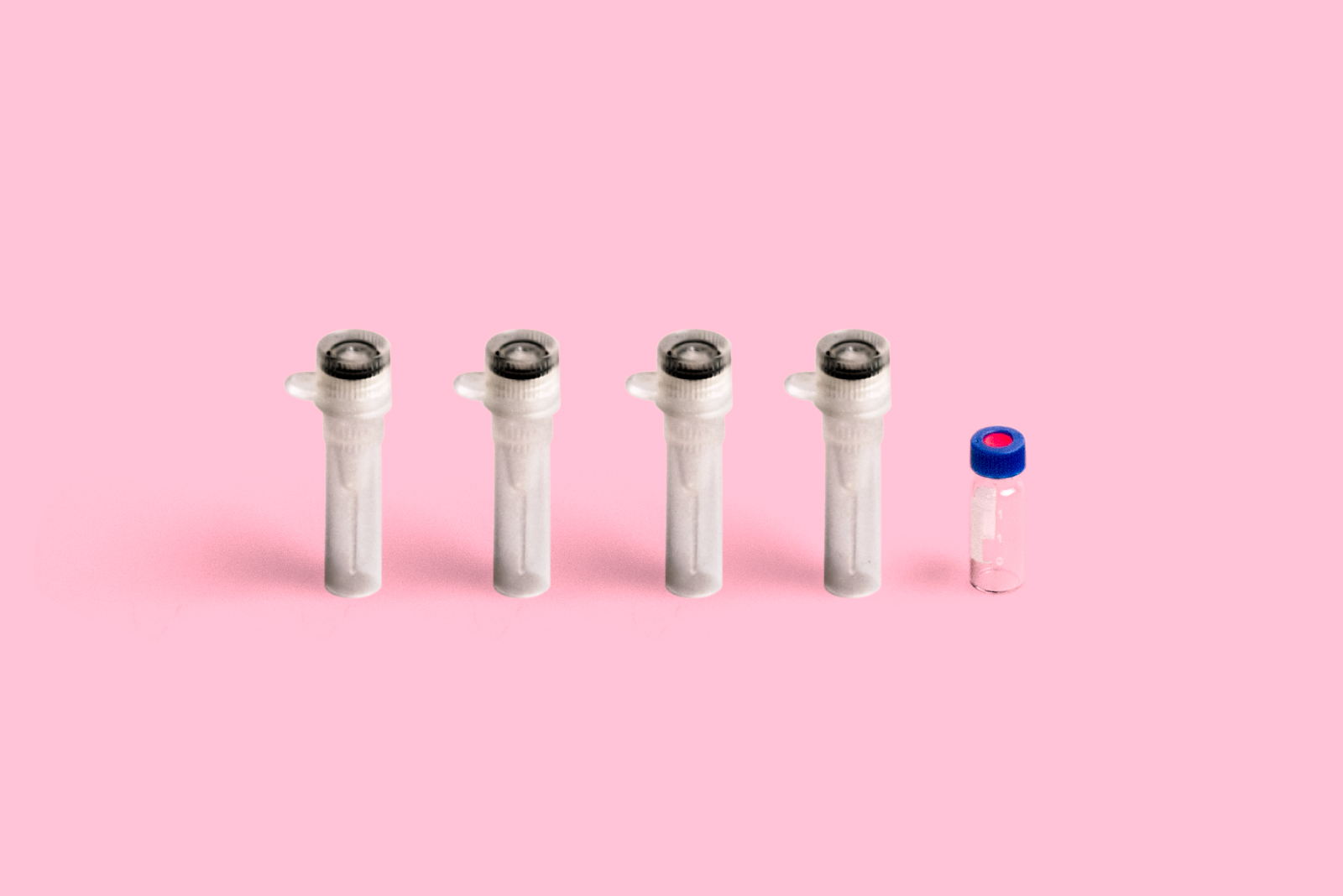
Supplied without a plate, streptavidin conjugate, enough for 6 plates
About IgG
Immunoglobulin G (IgG) is the most abundant Ig isotype in serum, making up approximately 80% of all serum immunoglobulins. In humans, there are four subclasses of immunoglobulin G, with the highest serum concentrations of IgG1 followed by IgG2, IgG3, and IgG4. In mice, the IgG subclasses are defined as IgG1, IgG2a/c, IgG2b, and IgG3. The IgG molecule consists of two heavy and two light chains (κ or λ), resulting in a molecule with two arms for antigen binding. High levels of IgG antibodies are induced following the initial IgM response in a typical immune response to antigens.
| Also known as | Immunoglobulin G, IgG |
| Produced by | B cell |
| Reactivity | Horse |
Find the right kit
Choose what your experiment needs. When your choices match a single kit, we'll link you to its product page for prices and ordering.
Kit detection system
Which enzyme conjugate we supply
Choose a detection system to continue.
Frequently bought together
What customers usually order alongside these kits.
Related reading
Guides and tutorials covering Equine IgG and the ELISA method.